






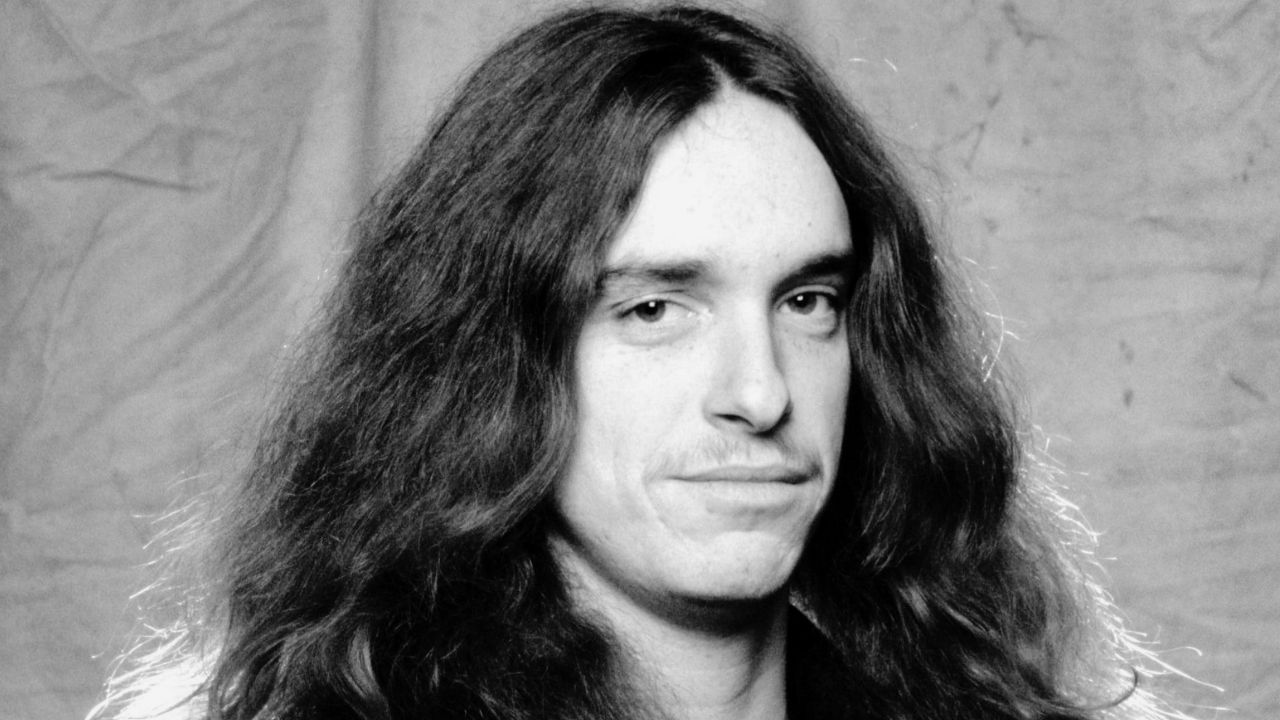
Have you ever imagined a world where a bass guitar could roar like a lion? That’s exactly what Cliff Burton brought to the world of metal! As the electrifying second bassist for Metallica, Cliff rocked the earth with his game-changing style, forever etching his name in rock history. Born on February 10, 1962, in Castro Valley, California, Cliff’s journey from a passionate young musician to a bass legend is a story of dreams, determination, and a little bit of destiny.
Early Life Adventures
Here’s the thing about Cliff Burton: even from a young age, he was on a path of musical curiosity. Picture a six-year-old kid starting with the piano, diving headfirst into music. By 13, he made the switch to the bass guitar, and let’s just say he wasn’t satisfied with just playing it—he wanted to master it. After the tragic passing of his brother, Cliff promised to be the best bassist ever. Fueled by raw emotion and ambition, he dedicated four to six hours daily to his craft. Now, that’s commitment!
Cliff wasn’t just a hard worker; he was a musical sponge. His teacher, Steve Doherty, introduced him to the wonders of classical music, from the grand symphonies of Beethoven to the intricate fugues of Bach. But Cliff didn’t stop there. Imagine someone who juggled influences as diverse as classical music, southern rock, country, blues, and jazz, all while cruising around in a 1972 VW station wagon. Oh, and did I mention his fascination with H.P. Lovecraft, hunting, and Dungeons & Dragons? Cliff was a mix of brains and brawn.
Journey to Metallica
Cliff’s journey to Metallica begins in the colorful halls of high school, where he formed his first band, EZ-Street, with future stars like Jim Martin and Mike Bordin. Talk about a group of musical misfits! But, that was only the beginning. Cliff went on to join Agents of Misfortune and later Trauma, where he truly started turning heads.
It was 1982 in Los Angeles, and Cliff was tearing it up with Trauma at the Troubadour club when James Hetfield and Lars Ulrich from Metallica witnessed his spellbinding performance. It was a moment when you could almost hear the gears of rock history clicking into place. Enamored by his prowess, they were eager to recruit Cliff, even though he initially hesitated because of the long distance between San Francisco and L.A. Cliff’s charm eventually pulled Metallica to the Bay Area, sealing his place as the bassist they couldn’t resist.
Game-Changing Musical Impact
Let’s chat about Cliff Burton’s style—a beast in its own right! His approach to bass was unlike anything anyone had ever heard. Imagine a bass solo, not just as an accompaniment, but as a lead force commanding attention. His iconic track “(Anesthesia) Pulling Teeth” on Metallica’s debut album, Kill ‘Em All, taught us all that bass wasn’t just a background sound. It was a call to arms, shaking the foundations of rock music!
On the band’s second album, Ride the Lightning, Cliff’s influence was undeniable. Tracks like “For Whom the Bell Tolls” and “The Call of Ktulu” stand as monuments to his genius. Cliff’s innovative finger-picking, coupled with effects-driven experimentation, added layers of nuance to Metallica’s sound, making it transcendental. Producer Flemming Rasmussen once remarked that although James and Lars orchestrated the musical direction, it was Cliff’s artistic flair that left an indelible mark on the band.
But cliff Burton’s brilliance wasn’t just about riffs and licks; it was about vision. He opened Metallica to a broad array of musical influences, paving the way for a culture of diversity that resonated with fans. Plus, he kick-started the tradition of post-show meet-and-greets, making sure every fan felt valued. It’s no wonder the guy was revered far and wide!
Legacy and Untimely Departure
Even the most incredible stories sometimes come to an end far too soon. On September 27, 1986, after a concert in Stockholm, Sweden, tragedy struck as Metallica’s tour bus skidded off the road. Cliff Burton’s life was cut short in a devastating accident that left the music world mourning an irreversible loss.
And yet, Cliff’s flame didn’t just flicker out—it transformed into a beacon. His influence continued posthumously in Metallica’s fourth album, …And Justice for All, with the haunting “To Live Is to Die,” a tribute to his lasting impact. Fans across the globe remember him not just as a musician but as a cultural force who reshaped the essence of heavy metal.
If you’re intrigued by stories like Cliff’s and how legends continue to inspire the music and cultural industries, take a detour to explore more at this amazing site.
Cliff Burton’s Lasting Legacy in Rock History
So, there you have it. Cliff Burton wasn’t just any bass player—he was a phenomenon, someone who injected life, soul, and innovation into the heart of heavy metal. His legacy lives on in the adrenaline-pumping riffs of Metallica’s tracks and in the heartbeats of millions who loved and still love his music. Cliff’s story is one of unwavering dedication, unique perspectives, and a passion that transcends time. He might have left the stage too soon, but his music plays on, inviting new generations to feel the thunder of his bass guitar.
In the end, Cliff Burton isn’t just remembered; he’s celebrated. And in the world of rock, that’s the most rock ’n’ roll thing ever. So crank up those speakers and let Cliff take you on a wild ride through the power of bass like you’ve never experienced before!
Also Read: